
Lightweight Base Layer
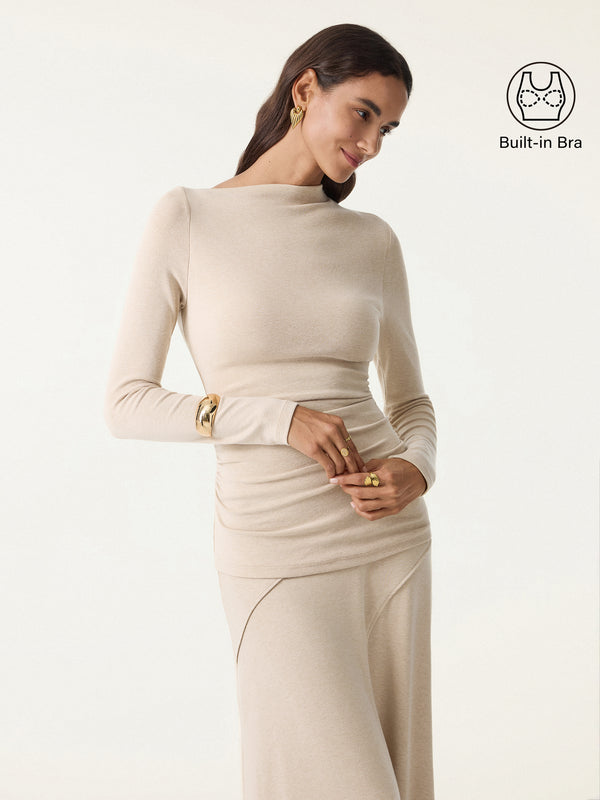


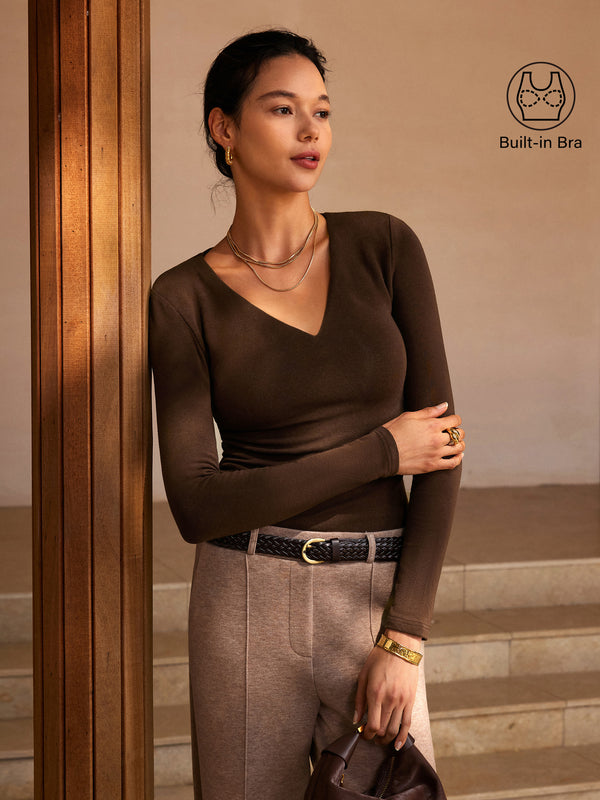


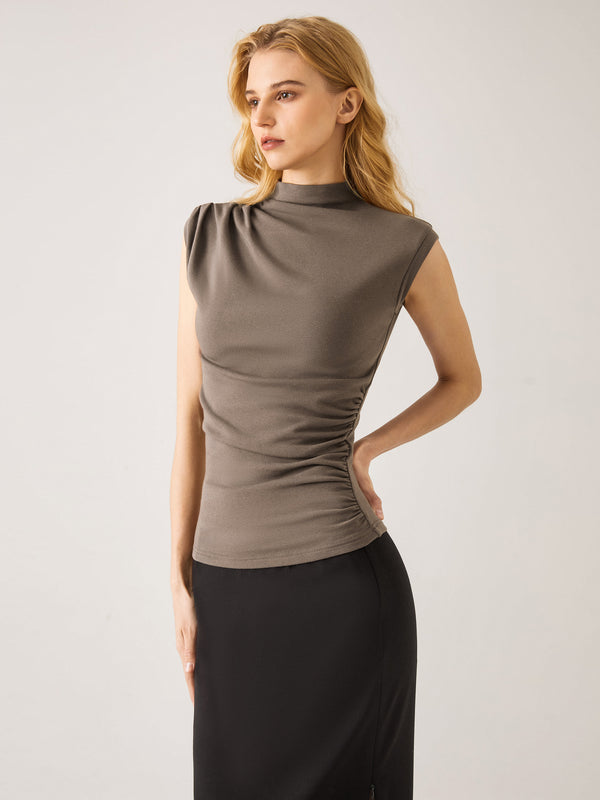


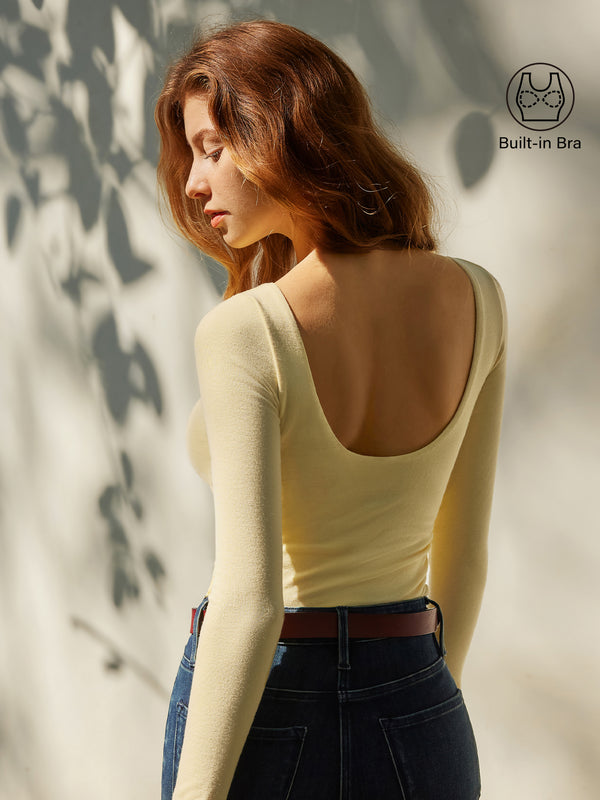


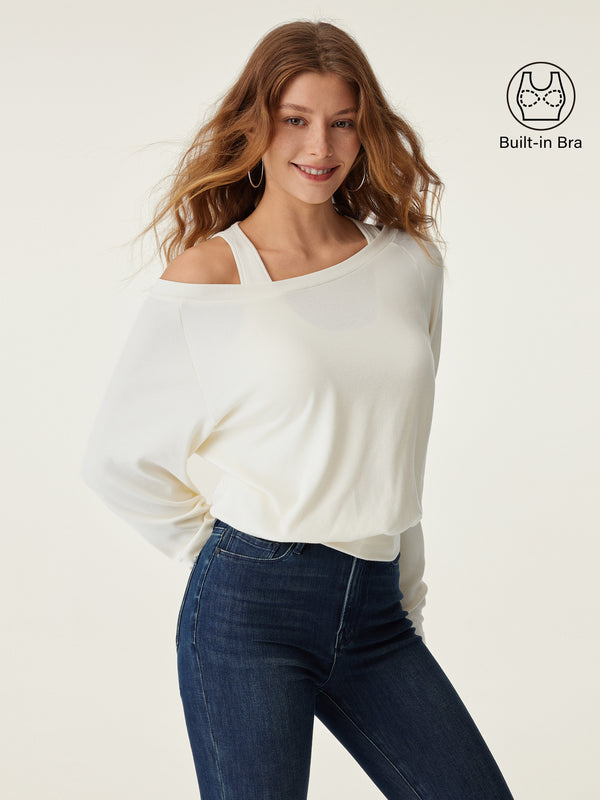


Lightweight Base Layers for Women: Comfort Without the Bulk
A lightweight base layer gives women comfortable coverage without adding unnecessary volume beneath the rest of an outfit. Designed to sit close to the skin, it can help manage changing temperatures while remaining easy to wear under shirts, knitwear, blazers, and coats.
Unlike heavy thermals, lightweight base layers can also appear as part of the outfit, making them practical for work, travel, and everyday dressing from fall through spring.
What Is a Lightweight Base Layer?
A lightweight base layer is a thin top worn closest to the skin or beneath a second garment. It should provide softness, coverage, and freedom of movement while fitting smoothly under outer layers.
Compared with a heavier thermal top, a lightweight base layer is usually:
-
Thinner and easier to layer.
-
More suitable for changing indoor and outdoor temperatures.
-
Less likely to make jackets or sweaters feel restrictive.
-
Versatile enough to wear as a visible top.
-
Useful across several seasons rather than only in deep winter.
Its exact warmth depends on the fabric composition, knit structure, and garment weight.
Why Choose a Lightweight Base Layer?
A well-chosen first layer can make the rest of a wardrobe easier to wear.
-
Adds coverage without creating bulky folds.
-
Fits smoothly beneath office and winter clothing.
-
Makes it easier to add or remove layers.
-
Supports comfortable movement during long days.
-
Packs easily for work trips and vacations.
-
Coordinates with pants, skirts, and dresses.
For women who regularly move between cold streets, public transportation, and heated interiors, a lightweight layer can offer more flexibility than one heavy sweater.
Choose the Right Fabric
Lightweight Thermal Knits
Lightweight thermal knits provide gentle warmth for cool days and daily commutes. They work well beneath cardigans, jackets, and coats when heavier brushed layers are unnecessary.
Lyocell-Wool Blends
Lyocell-wool blends combine the lightweight warmth of merino wool with the smooth, soft feel of Lyocell. These fabrics can suit work, travel, and everyday winter layering without appearing like traditional outdoor underwear.
Soft Stretch Fabrics
Stretch fabrics move easily with the body and work well for busy days. The material should sit close enough for layering without feeling compressive or restrictive.
Cotton Blends
Cotton blends offer a familiar feel for mild weather and indoor wear. Added stretch can help the garment maintain its shape, although warmth varies according to the thickness and knit.
Choose the Right Style
-
Crewneck tops: Work beneath round-neck sweaters, sweatshirts, and jackets.
-
V-neck tops: Stay discreet under open shirts, cardigans, and lower necklines.
-
Mock-neck tops: Add neck coverage and can also be worn as polished standalone tops.
-
Long-sleeve tops: Provide everyday coverage for commuting and cooler weather.
-
Short-sleeve tops: Suit heated interiors, travel, and transitional seasons.
-
Built-in bra tops: Reduce the number of separate layers, depending on individual support needs.
Choose a neckline that works with the garments you plan to wear over it. A base layer that repeatedly shows above an outer neckline may be less versatile than expected.
How Should a Base Layer Fit?
A lightweight base layer should follow the body comfortably without feeling tight. Excess fabric can gather beneath knitwear, while an overly small size may restrict movement.
Check that:
-
The shoulders allow natural arm movement.
-
The underarms do not pinch or gather.
-
The sleeves slide smoothly beneath a jacket.
-
The hem remains in place when you move.
-
The neckline sits securely against the body.
-
The fabric does not pull sharply across the chest.
Women with longer torsos may prefer an extended hem, while shorter or cropped styles can work well with high-waisted bottoms.
Match the Layer to the Situation
For Work and Commuting
Choose a fitted long-sleeve or mock-neck top beneath a blazer, cardigan, or coat. A simple neckline allows the layer to remain part of the outfit after outerwear is removed.
For Travel
Softness, stretch, and easy care are especially useful during travel. Select a neutral shade that coordinates with several bottoms and outer layers to reduce the number of pieces you need to pack.
For Transitional Weather
Wear a lightweight base beneath an open shirt or thin jacket. This combination can adapt to cool mornings and warmer afternoons without requiring heavy knitwear.
For Cold Winter Days
Use the base layer as the beginning of a complete layering system. Add an insulating knit and suitable outerwear according to the temperature, wind, activity level, and time spent outdoors.
Easy Layering Formulas
-
Crewneck base layer + tailored pants + blazer.
-
Mock-neck base layer + midi skirt + long coat.
-
Long-sleeve base layer + cardigan + jeans.
-
Built-in bra base layer + open shirt + trousers.
-
Merino base layer + knitwear + winter coat.
-
Short-sleeve base layer + overshirt + travel pants.
Find the Right First Layer
The best lightweight base layer should match your daily environment, activity level, and outerwear. Look for a fabric that feels comfortable against the skin, a fit that supports movement, and a neckline that works with the rest of your wardrobe.
With the right first layer, women can move between work, travel, transitional weather, and colder days while keeping their outfits warm, flexible, and free from unnecessary bulk.


